
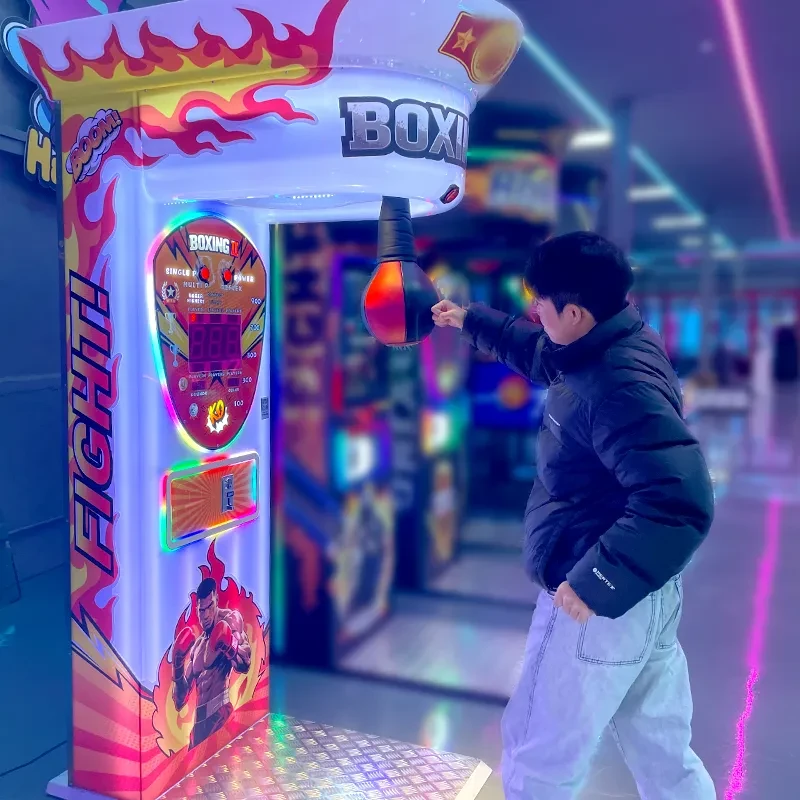
Every amusement equipment operator eventually has the same bad week: a machine stops working, the queue builds up, and the supplier’s WhatsApp goes quiet. This is not bad luck. It’s a supplier selection problem — and it’s entirely avoidable.
After-sales support is not an add-on. It’s part of the product. Here’s how to evaluate it before you commit to an order. For a market-level view, see how ten suppliers compare on after-sales service.
Why Downtime Costs More Than the Repair
A boxing arcade machine generating $2,000/month earns roughly $67/day. Two weeks of downtime while you wait on a control board is $940 in lost revenue — often more than the part itself. Multiply that across a 15-machine floor and one supplier’s poor logistics program can cost you $10,000+ per incident in missed earnings alone.
Downtime isn’t an inconvenience. It’s a direct hit to your P&L, and it compounds: customers who find a machine out of service don’t always come back to try again.
5 Questions to Ask Any Supplier Before Ordering
1. “Which spare parts do you keep in stock for this model?”
The right answer includes a specific list with quantities and dispatch timelines. “We can source parts when needed” means 3–6 weeks of downtime. Components that fail most often in commercial arcade machines:
- Coin acceptors and bill validators
- PCB control boards
- Drive and claw motors
- Joysticks and pushbuttons
- Power supply units
A supplier who can’t confirm stock on all five of these isn’t ready to support your operation.
2. “Do you provide English technical documentation?”
Wiring schematics, error code tables, component layout diagrams — in English. Your local technician can fix most faults in 30 minutes with proper documentation. Without it, the same fault becomes a week of email exchanges with a factory engineer. This is not a nice-to-have; it is a basic requirement for any equipment deployed outside the manufacturer’s home market.
3. “How do you handle warranty claims after shipment?”
Ask specifically: who pays freight on warranty parts? What documentation is required to open a claim? What’s the typical resolution time? Vague answers here — “we’ll sort it out” or “case by case” — indicate the supplier has no formal process. That costs you time and money when something goes wrong in month four of operation.
4. “Do you offer remote troubleshooting?”
Video call diagnostics via WhatsApp or WeChat are standard among serious exporters. A factory technician walking your staff through a fault remotely resolves 60–70% of common issues without any parts shipment at all. If a supplier doesn’t offer this, they’re set up to sell replacements, not to maintain the equipment they’ve already sold.
5. “What’s your support response time?”
Send a test message to their support contact before you buy. Not their sales contact — their actual technical support line. Response within 24 hours is acceptable. Within 4 hours is a good sign. No response, or a response from sales rather than technical staff, tells you everything you need to know about post-sale priority.
The Spare Parts Kit: Non-Negotiable for Multi-Unit Buyers
If you’re operating five or more machines of the same model, negotiate a spare parts kit into your initial order. A complete kit for most arcade machine types runs $150–$400 and covers the first 18–24 months of operation without a reorder:
- 2× coin acceptors (spec’d for your market)
- 1× PCB control board
- 2× motors (drive or claw, depending on machine type)
- 1 set of joysticks and buttons
- Assorted fuses and connectors
One week of downtime on one machine covers the cost of this kit five times over. It’s not insurance — it’s inventory.
Certifications: Know Your Market Requirements
Operating in a regulated market means your equipment needs to meet local standards before it arrives at your door, not after:
- USA / Canada: UL or ETL listing for electrical components
- European Union: CE marking
- UAE and Gulf states: ESMA or SASO compliance depending on the emirate/country
Non-compliant equipment can be held at customs or pulled from operation by local inspectors. Ask for certification documentation before you sign the proforma invoice.
FAQ
What’s the most common reason amusement equipment fails in the first year?
Coin mechanism wear and PCB faults account for the majority of first-year service calls. Both are preventable with a properly assembled spare parts kit on hand.
Is buying direct from a Chinese manufacturer riskier than buying through a distributor?
Not inherently — the risk is the same. What matters is whether the manufacturer has an established export support infrastructure: English documentation, accessible technical staff, and confirmed parts availability. A distributor without a direct line to the factory doesn’t add safety; they add a communication layer.
How do I verify a supplier’s after-sales claims before committing?
Ask for references from operators in your market who have been running their equipment for 18+ months. Real references from real operators in your region are worth more than any spec sheet or certification document.
What warranty terms are standard in the amusement equipment industry?
Typically 12 months on parts, 6 months on high-wear components (coin mechs, motors, buttons). Anything shorter should raise questions. Anything longer is a marketing claim worth verifying with past customers.
—
ACS Amusement provides dedicated technical support, English documentation, and spare parts kits for every product line we export. Before you order, we’ll walk you through our support process in detail. Get in touch — no commitment required.