
Updated July 2026 — based on the supplied venue photo and current Arcade Craft Studio service information.
A bowling center already has a strong family-entertainment habit: guests arrive for a timed lane session, watch overhead screens, and gather around tables between turns. The supplied U.S. venue photo shows how much of the room is organized around that rhythm. For an operator considering an added FEC zone, the procurement question is not simply which machine looks exciting. It is how the equipment fits the existing guest flow without competing with lanes, seating or service paths.
What should a U.S. bowling center check before adding FEC equipment?
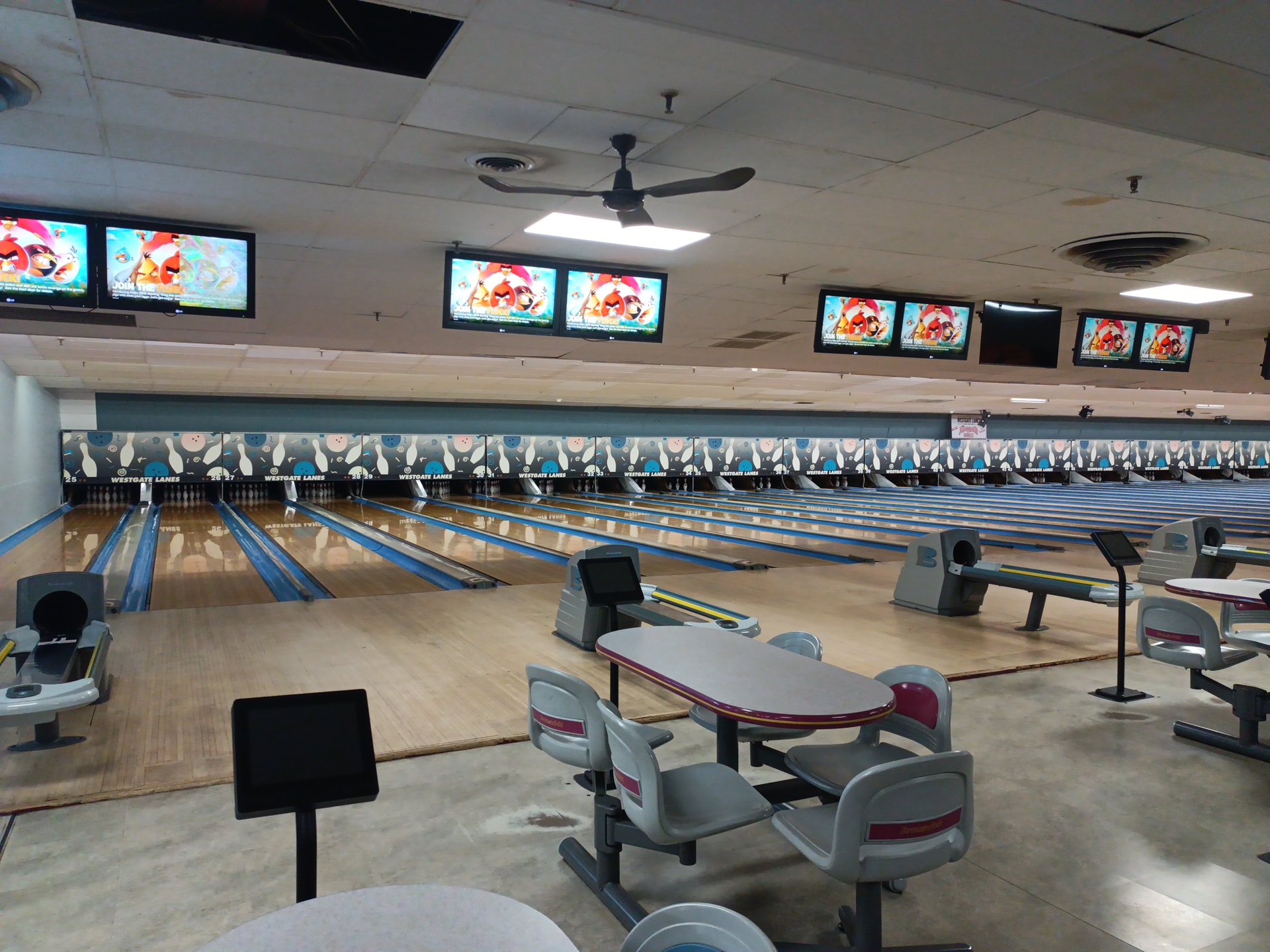
A U.S. bowling center should first map guest movement, clearances, power and sightlines, then choose machines that complement short waiting periods and family group play. The photo shows multiple lanes, overhead display screens, lane-number markers and tables, so any new FEC zone should preserve the room’s circulation and keep the bowling experience visible.
- Mark the route from reception to lanes, tables, restrooms and exits before placing machines.
- Separate queueing space from ball-return paths and service access.
- Choose a mix that can be understood quickly by children and adults between bowling turns.
- Confirm local electrical, fire, accessibility and insurance requirements with the venue’s relevant professionals.
How can an FEC equipment supplier support a bowling-center layout?
An FEC equipment supplier should turn the venue plan into a zone-by-zone equipment brief instead of sending a generic catalog. Arcade Craft Studio can coordinate factory-direct equipment, OEM customization, export support and 2D/3D layout planning; the buyer should still validate the final layout, local code and installation conditions before ordering.
The visible arrangement suggests three practical planning zones:
| Zone | Visible or likely role | Planning question |
|---|---|---|
| Lane frontage | Keep bowling lanes and overhead screens visually open | Will a cabinet interrupt sightlines or ball-return access? |
| Table-side waiting | Short-session family play while groups wait | Can guests queue without blocking tables or staff routes? |
| Peripheral FEC corner | Prize, skill or redemption play away from the main lanes | Can power, supervision and replenishment be handled safely? |
For product research, compare family prize and gift-machine formats alongside the broader commercial arcade equipment range. The right category depends on the venue’s audience, floor area and operating model rather than on a single popular cabinet.
Which details from the photo matter for procurement?
The image provides useful spatial clues but does not prove a machine list, customer result or delivery outcome. It shows a long bowling area with numbered lanes, repeated overhead monitors, ball-return equipment, tables and seating. Those facts are enough to discuss layout constraints, but not enough to claim revenue, utilization, capacity or a specific installed package.
Before requesting a quote, the operator should add:
- a measured floor plan with ceiling height and restricted areas;
- the number of lanes and peak group periods;
- preferred machine categories and prize model;
- destination port, delivery terms and installation responsibility;
- photos of the proposed FEC corner from guest and staff viewpoints.
Arcade Craft Studio’s supplier and service information can be used as a starting point for the vendor conversation. Any compliance, insurance, customs or local installation question should be confirmed with the venue’s broker, insurer, contractor or authority.
What should the buyer ask before approving the equipment mix?
The buyer should ask how each machine will be powered, serviced, replenished and supervised in the actual bowling environment. A clear equipment brief should identify the machine role, footprint, queue behavior, spare-parts plan and installation assumptions. It should also separate confirmed facts from items that still require a site survey or local confirmation.
- Which machines are intended for short waiting periods, and which need longer play sessions?
- What spare parts and technical documents are included for the planned mix?
- How will staff reach machines without crossing guest or ball-return paths?
- Which layout and installation details remain subject to site measurement?
For after-sales planning, review the parts and service guidance and send the venue plan through the project quote request page. Include the country, floor plan, target categories and delivery assumptions so the supplier can respond to the real constraints.
FAQ: bowling-center FEC equipment sourcing
Can a bowling center add arcade equipment without changing its main lane layout?
It may be possible, but the answer depends on measured clearances, guest flow, power, exits, supervision and local requirements. A site plan should be reviewed before equipment is selected or ordered.
Does this photo confirm which machines were installed at the venue?
No. The photo visibly shows bowling lanes, overhead screens, lane numbers, ball-return equipment, tables and seating. It does not confirm a machine list, installation scope, revenue or customer results.
What should a U.S. buyer send to an FEC equipment supplier?
Send the destination, measured floor plan, preferred equipment categories, electrical information, delivery assumptions and any local code or insurance requirements that need confirmation.